TPO & EPDM Single-Ply Roofing in London, Ontario
Single-ply membranes are the workhorse of modern commercial flat roofing. As certified TPO and EPDM installers, we help London building owners choose the right membrane and install it to last.
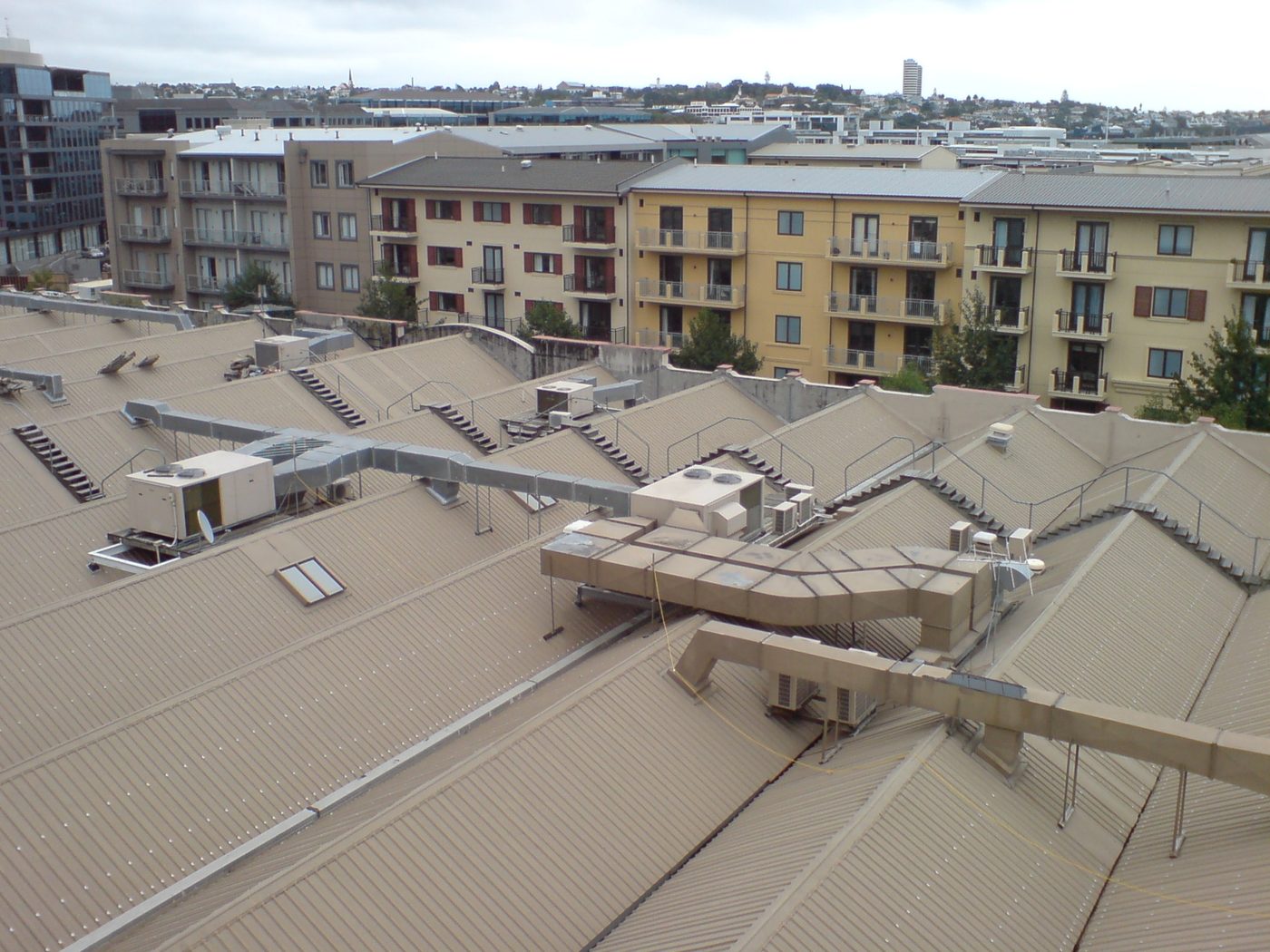
TPO roofing
TPO (thermoplastic polyolefin) is a bright, reflective white membrane that lowers cooling costs in summer and resists punctures and tears. Its seams are heat-welded, not glued — a hot-air weld fuses the sheets into one continuous, monolithic surface that's stronger than the membrane itself, which is exactly why TPO holds up on big-span warehouses, retail plazas, and offices. That reflective surface also eases the summer heat load on a London building. See our guide to TPO roof lifespan in Ontario.
EPDM roofing
EPDM (a synthetic rubber membrane) is proven, flexible, and extremely durable in the cold — which makes it a strong fit for London's freeze-thaw winters, where it stays pliable instead of getting brittle. It comes in wide sheets that mean fewer seams, and it's a cost-effective, long-lived option for many low-slope roofs. Its dark surface can even help shed snow load a little faster in a Southwestern Ontario winter.
Modified bitumen (SBS) — the third option
Where a roof sees heavy rooftop foot traffic or you want multi-layer redundancy, two-ply SBS-modified bitumen is often the tougher choice. We install all three so the recommendation is about your building, not about what we happen to stock.
Installation is what makes a membrane last
The same TPO sheet lasts 25+ years or fails in five depending on how it's attached and detailed. We spec the right attachment for your building — mechanically fastened, fully adhered, or ballasted — probe-test every heat weld, and detail the flashings, drains and curbs properly, because that's where single-ply roofs actually leak. A membrane is only as good as its perimeter and penetrations.
Which is right for your building?
It depends on roof size, sun exposure, foot traffic, insulation, and budget. During your free assessment we'll recommend the system that gives you the best cost-per-year — not just the cheapest install. Planning a full flat roof replacement? Membrane choice is step one.
Single-ply roofing across London & area
Single-ply is the go-to for London's large flat roofs — the distribution and manufacturing buildings in the Highway 401 corridor industrial areas around Innovation Park and Trafalgar, the retail plazas near Hyde Park and Masonville, and warehouses out to Woodstock and St. Thomas along the 401.